Remote Learning in Afghanistan
Design Challenge
How might we address the social, cultural, and systemic barriers shaping women’s participation and leadership in Afghan civil society?
Partners
Government of Canada · Building Markets
Project
Collaborative research, prototyping, and service design toward an initiative co-created with Afghan civil society organizations advancing human rights and gender justice.
Role
Project Lead
Overview
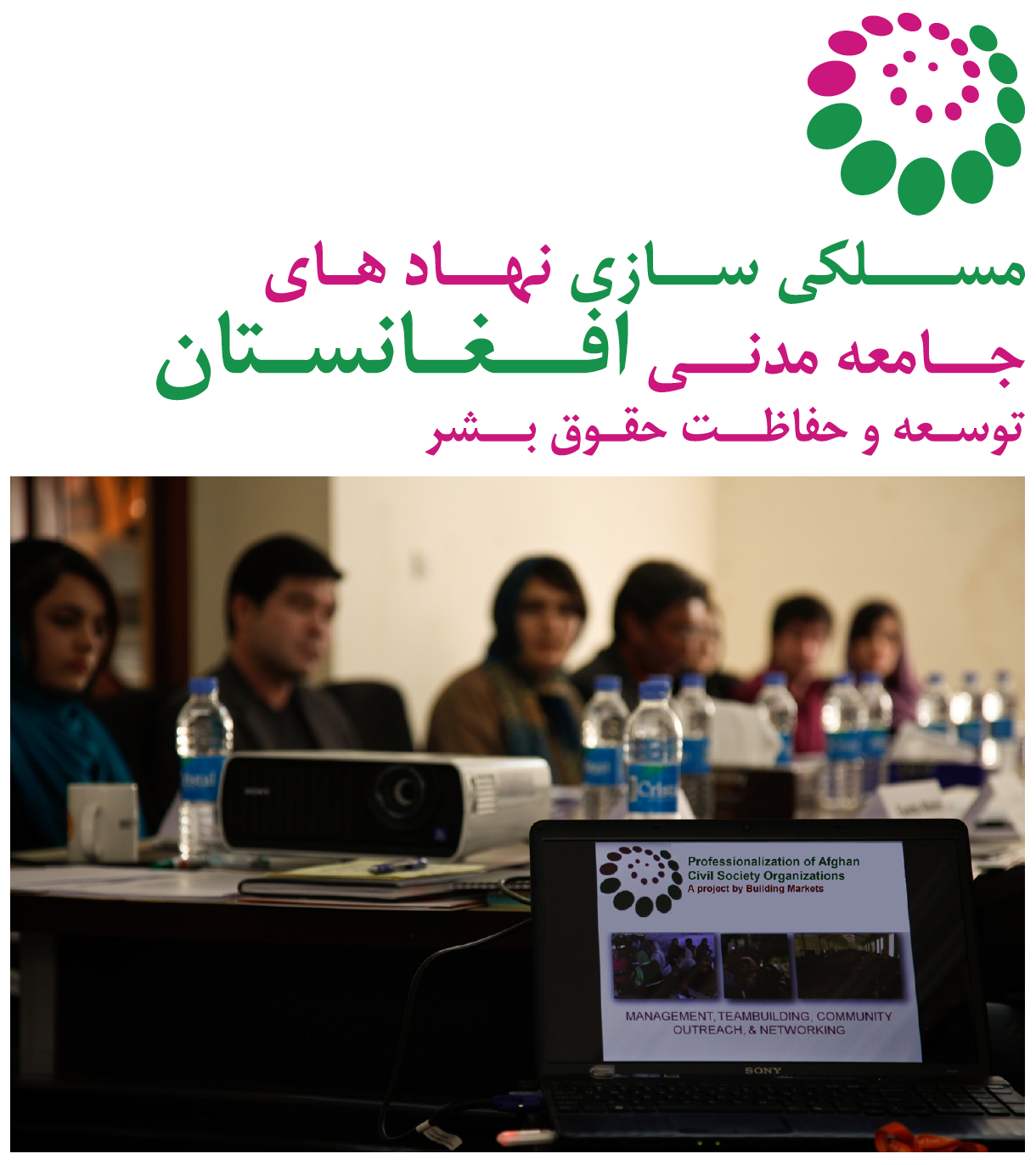
Between 2012 and 2015, I lived and worked in Afghanistan, leading initiatives with global nonprofits, international organizations, and government partners. One project focused on deepening support for civil society organizations advancing human rights and gender equity.
In many professional settings, I was one of few women in the room - often surrounded by men representing organizations whose stated focus was women’s rights. Yet, our data showed that women were present within these organizations, many in leadership roles. Their absence from key convenings raised an important question: what conditions or constraints were keeping them out of these spaces?
To understand this, our team intentionally sought out and listened to these women - inviting them into the design process as collaborators rather than passive subjects. Through these conversations, we uncovered layers of barriers - structural, cultural, and logistical - that shaped women’s visibility and participation in professional life.
Together, we reimagined how learning and collaboration could take place. Our team transformed the organization’s event space into a pop-up digital studio, co-creating an on-demand learning platform offering training and resources that women could access privately and at their own pace. Think Netflix meets Coursera, before either became mainstream.
This participatory redesign shifted how the organization connected with and learned alongside its communities. By expanding access and flexibility, the initiative supported more women to share knowledge, build networks, and lead within their own contexts.
Between 2015 and 2020, this model was iterated and adopted across the organization, becoming foundational to its digital service delivery - enabling continuity and connection even through the pandemic. Today, Building Markets continues to use this model across the countries where it works.
Reflection
In August 2021, the Taliban’s return to power reversed many of the gains made in Afghan women’s public participation and rights. It remains devastating to witness the international community’s failure to sustain meaningful solidarity with Afghan women and their movements. The courage, insight, and leadership of the women I worked alongside continue to inform my practice and remind me that change emerges through collective care, not imposed intervention.
Duration of Engagement
2012 - 2020